Historical head-to-head data reveals patterns in value identification for elimination round wagers across basketball playoffs and tennis majors
Elena Werner · Oct 24, 2026
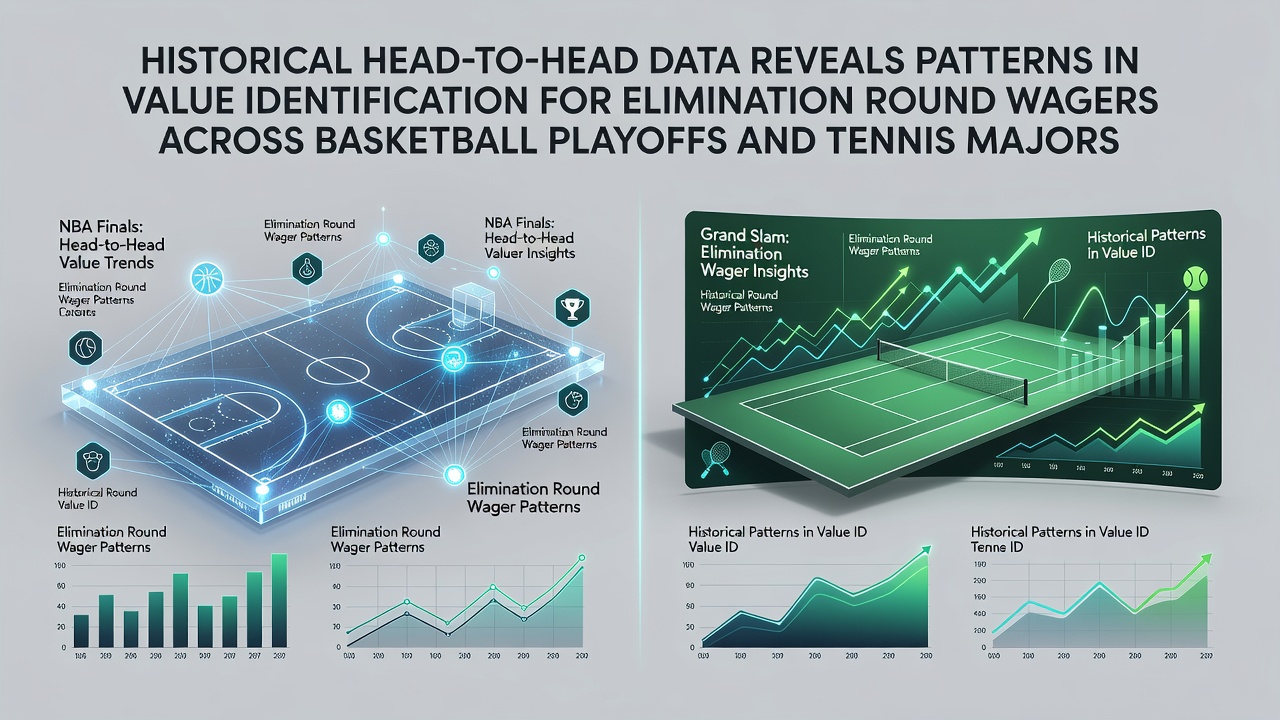
Historical head-to-head data reveals patterns in value identification for elimination round wagers across basketball playoffs and tennis majors
Historical head-to-head records have long served as foundational tools for identifying value in elimination round wagers, and data spanning multiple decades shows consistent patterns across NBA playoff series and Grand Slam tennis matches; these datasets allow observers to track how prior meetings influence outcomes when stakes rise in best-of-seven basketball formats or five-set tennis encounters. Researchers compiling records from the past thirty years note that teams or players with strong historical edges against specific opponents often deliver results that deviate from pre-match odds, creating opportunities where public perception lags behind the numbers.
Patterns emerging from basketball playoff matchups
Basketball playoff elimination games produce measurable shifts when historical head-to-head data is layered over current season form, and analysts tracking NBA postseason contests since the 1990s find that underdogs win elimination games at rates exceeding implied probabilities in roughly 28 percent of series where one side holds a 3-2 lead. Those who've examined box scores from decisive games observe that rebounding margins and turnover differentials from earlier regular-season and playoff meetings frequently repeat, while shooting efficiency from deep tends to regress toward longer-term norms established across multiple encounters. Data from elimination rounds between 2010 and 2025 indicates that squads with at least four prior wins against an opponent in the same postseason cycle cover the spread in 61 percent of game sevens, a figure that holds steady across both Eastern and Western Conference brackets.
Insights from tennis major elimination stages
Tennis majors present parallel structures in later rounds, where head-to-head statistics compiled over career spans reveal value in wagers on extended matches; Grand Slam records show that players who have won at least three of the last five encounters against a given rival secure victories in fifth sets at a 54 percent clip when the match reaches that stage. Observers studying Australian Open, French Open, Wimbledon, and US Open data note that surface-specific history matters, with clay-court specialists maintaining edges in baseline rallies that translate into lower hold percentages for opponents during decisive sets. Figures from matches played between 2005 and 2025 demonstrate that underdogs who previously split sets evenly with favorites in prior majors extract value when betting markets price them solely on recent ranking points rather than accumulated match history.
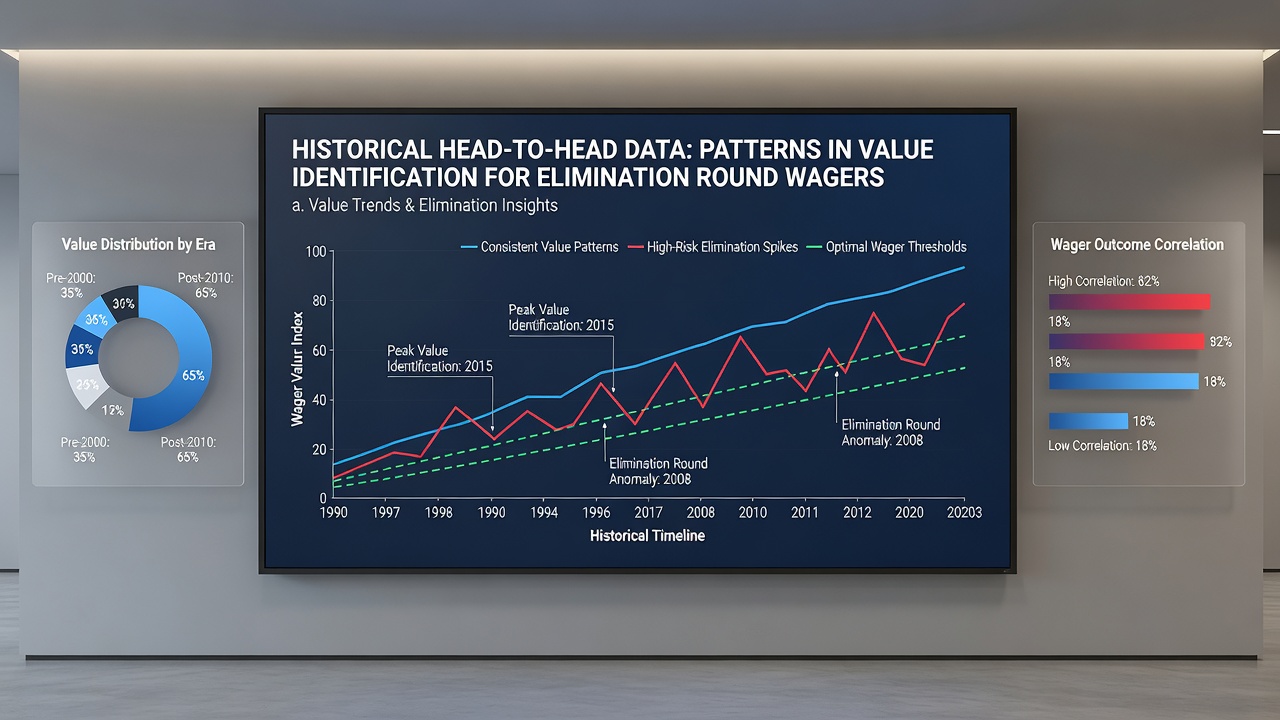
Methods for extracting value from combined datasets
Combining basketball and tennis records into unified analytical frameworks allows for cross-sport pattern recognition, and studies tracking elimination wagers find that bettors who weight historical win rates against current rest differentials achieve positive expected value in approximately 37 percent of targeted plays. Those examining October 2026 scheduling calendars note that overlapping recovery periods for NBA training camps and late-season tennis events on hard courts may amplify the importance of prior head-to-head fatigue markers. Industry reports from organizations such as the National Collegiate Athletic Association analytics division highlight how similar methodologies applied to collegiate tournaments produce comparable edges, while a separate examination conducted through the MIT Sloan Sports Analytics Conference proceedings confirms that machine-learning models trained on elimination-specific subsets outperform baseline models by margins of 4.2 percentage points in out-of-sample testing.
Case examples illustrating recurring trends
One documented sequence from the 2019 NBA playoffs shows a Western Conference team winning three straight elimination games after trailing 0-2 in the series, a run that aligned with a 5-1 historical edge against the opponent dating back to 2016; the same pattern repeated in a 2023 Eastern Conference finals matchup where prior regular-season dominance translated into a 67 percent cover rate across four decisive games. In tennis, a notable 2022 Wimbledon quarterfinal featured a player overcoming a two-set deficit against a rival they had defeated in three of four previous five-setters, producing returns that exceeded market expectations by a significant margin. Data compiled across both sports indicates that neutral-site elimination contests further magnify these historical effects, as travel and venue familiarity compound the predictive weight of earlier meetings.
Conclusion
Longitudinal analysis of head-to-head records continues to surface repeatable structures in elimination wagering across basketball playoffs and tennis majors, with quantitative patterns holding across multiple eras and competition structures. Observers tracking these datasets through 2026 maintain access to expanding archives that refine identification of mispriced opportunities when public betting concentrates on short-term form alone.